
Introducing Longmarsh Green Energy
Longmarsh Green Energy is a proposal for solar energy generation, battery energy storage and a co-located data centre campus in west Norfolk.
It would connect into the existing transmission network substation at Walpole, providing secure renewable energy, produced in the UK for our homes, businesses, transport systems and industries.
At the same time, the data centre campus – essential infrastructure for the modern economy – would support digital services people use every day.
Feedback from this consultation, along with on-going stakeholder engagement and further technical work will help us to refine our proposals before submitting a Development Consent Order (DCO) application.
Project overview
There are two main parts to Longmarsh Green Energy – the Western Site located to the north-east of the village of Tilney St Lawrence, and the Eastern Site, located near to the villages of Fincham and Barton Bendish.
The site boundary shown reflects the project’s expected overall land requirements, including cable routes to connect the different parts of the proposals.
Map data © OpenStreetMap contributors
Key
- Indicative proposed site boundary
- Solar panel and battery storage area
- Western Substation & Data Centre area
- Eastern Substation
- Existing Walpole Substation
- Underground cable route
- Overhead line route
- Proposed biodiversity enhancement area
- Access routes
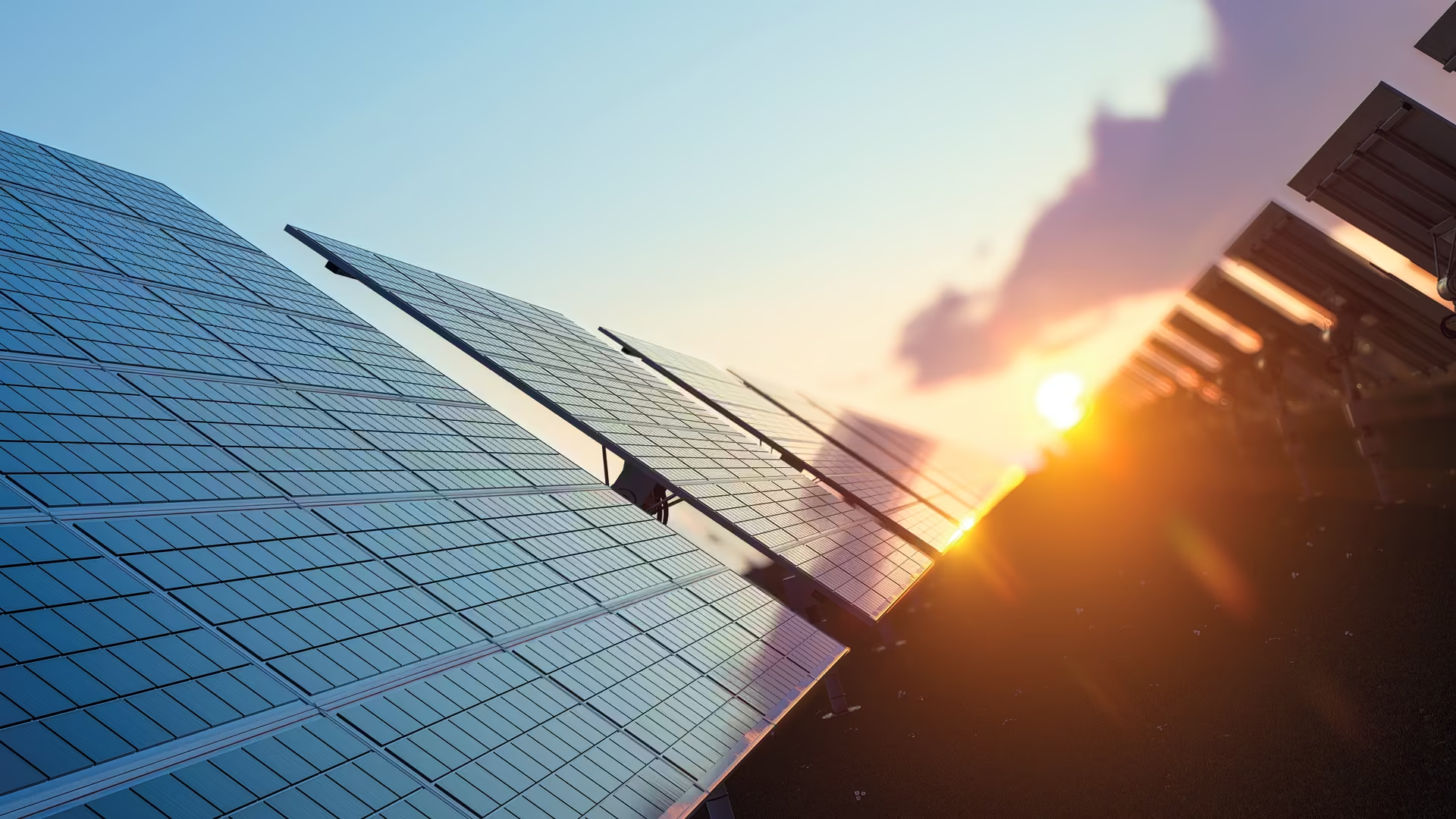
Renewable energy and battery storage
The UK’s electricity system is changing fast. As people and businesses switch to electric cars and using electricity for heating, the country is expected to need twice as much electricity by 2050 as it does today. At the same time, the UK is seeking to decarbonise electricity generation, to reduce the requirement for expensive imported fossil fuels, protect the environment and secure its own energy supply, removing the impact of international events on UK prices. To do this we need new modern energy projects that can provide clean, low-cost power directly to the electricity network.
Solar energy is lower cost and quicker to build than other renewable technologies. Subsidies are no longer required but the Government is able to contract the electricity generated at a significant discount to the average national price, reducing UK consumer prices. Co-locating battery storage with solar allows the electricity generated to be stored and then delivered to the electricity grid when it is most needed and it also allows the project to import from the grid at times of oversupply and export back to the grid when there is a shortage, in both cases further reducing UK consumer prices.
Longmarsh Green Energy will make an important contribution to helping the UK build a cleaner, lower cost and more secure energy system.

Data centres
Data centres are crucial to the UK economy as they support the online networks we all rely on. From emails, banking and streaming services to national defence and our NHS records, the nation depends on continuous data centre operation. The UK Government says that they “underpin almost all economic activity and innovation”1 and in September 2024, designated them as critical national infrastructure.
The vital role of data centres makes it important to understand what exactly they are and how they operate. Put simply, a data centre is a building that houses computer systems, servers and digital storage to store, process and distribute large amounts of digital information.
Modern data centres use closed loop cooling, which means that once the system is filled, the liquid is recirculated rather than continually taking water from the mains. Our proposed data centre will use this approach and will also take renewable power direct from the Longmarsh Green Energy solar farm.
1 Cyber security and resilience policy statement, Department for Science, Innovation and Technology, April 2025